

Chapter 02
02The Turning Point
2.1The Next Step
Curiosity laid the foundation, and education refined my thinking. But the years ahead would ask a different question: can knowledge hold up under the pressures of the real world? Moving from university life to professional life was the beginning of a new chapter. Ideas were no longer confined to textbooks or research projects; every decision now carried consequences, and systems had to work without failure. Companies depended on technology that was expected to run every hour of every day with little margin for error. This was the environment in which I began building my career.
My first years began from a place I had not expected: as an IT trainer. I worked in Egypt and Sudan within professional training programmes in partnership with a number of respected universities, passing technical skills across many fields to successive cohorts of learners. Teaching taught me more than I taught; when you are forced to explain an idea to twenty different minds in the same room, you discover the vague places in your own understanding before theirs. There I learned to break a system down to the simplest form that can be explained — a skill that has stayed with me in every engineering project since.
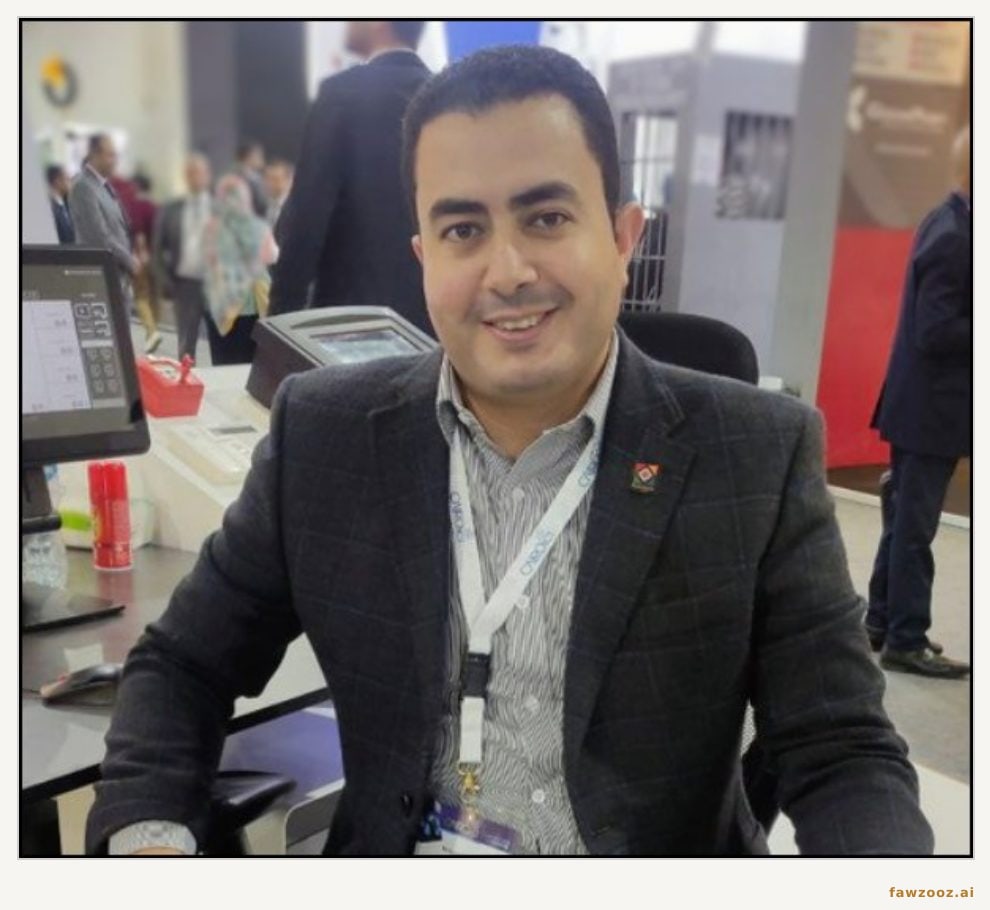
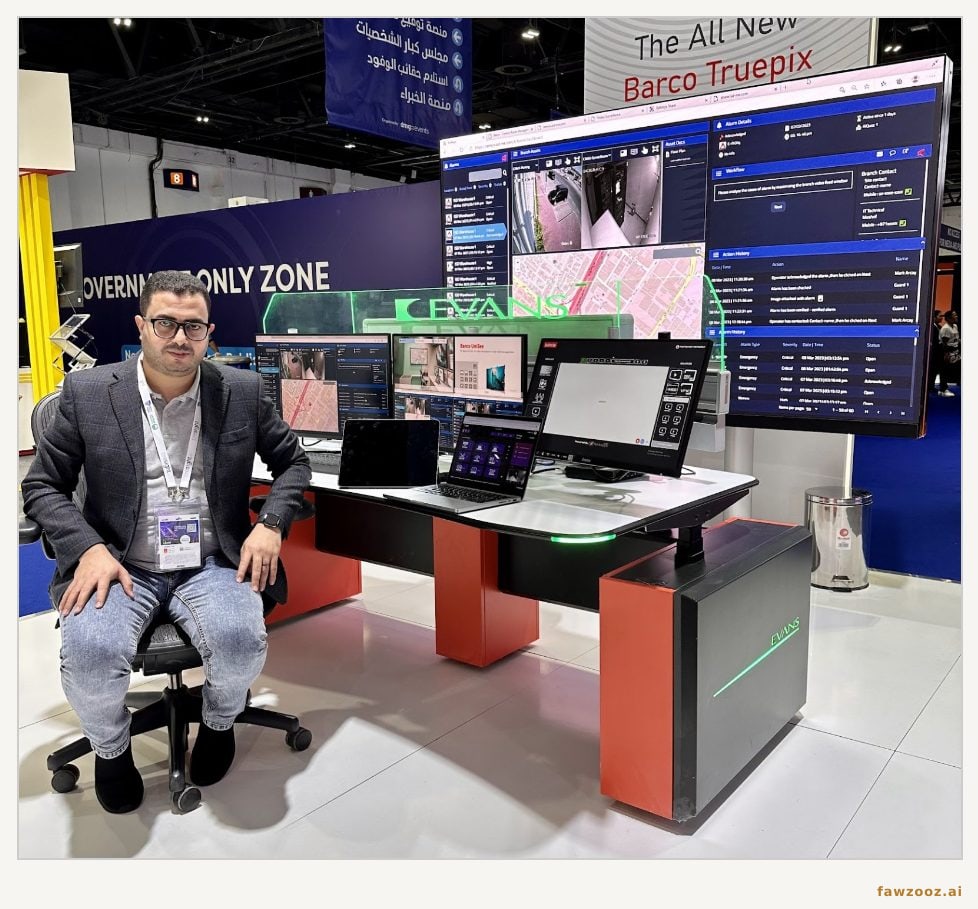
I then moved from the training room to the field, joining work in control and monitoring rooms and the fit-out of central operations rooms. That path took me to a number of countries across the Middle East and Africa, where conditions, infrastructure, and cultures differ, and where the requirement remains one and the same: a room from which an operator can see a complete picture of their system and make a decision in seconds. Those rooms were not simply screens and cables; they were the meeting point of people and technology in the most sensitive moments, and there I understood that good design is not measured by the number of devices, but by the clarity of the decision it makes possible.
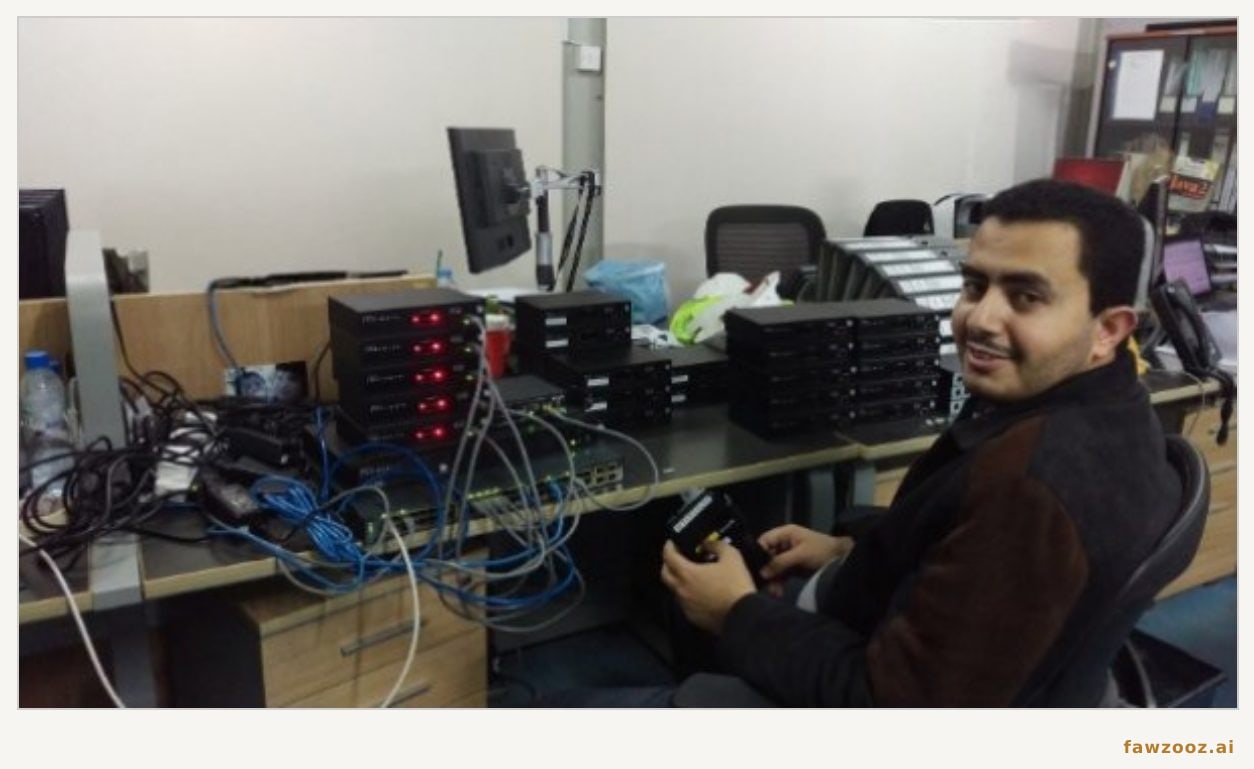
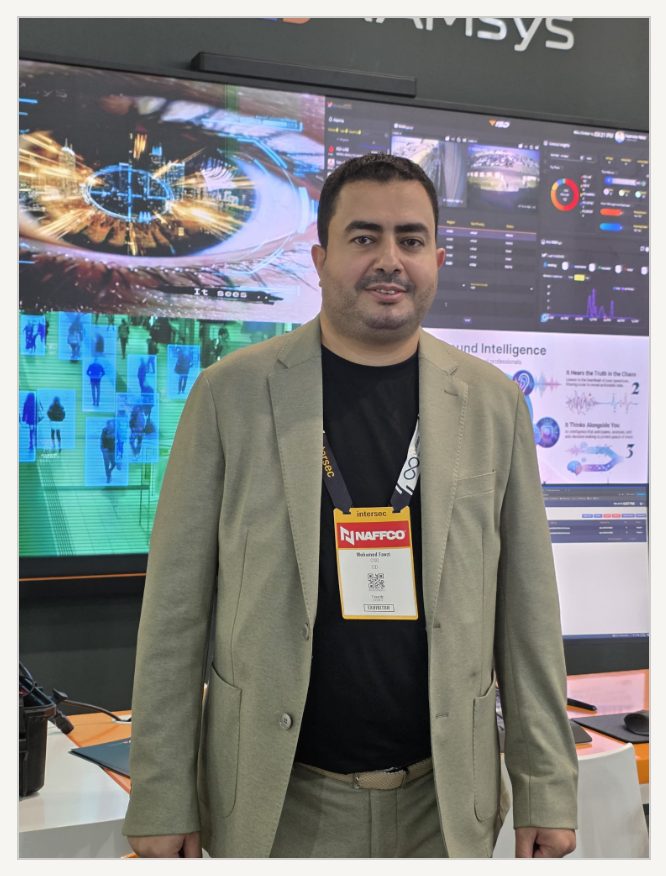
From those operations rooms, my work then took root in software engineering; I learned emerging technologies and the newest methods of software development, and worked as a core developer within a promising team building the RAMsys suite of software and systems, specialised in operational resilience for operations rooms. Alongside it ran my work in network architecture and cybersecurity. Before artificial intelligence became central to my work, I was immersed in the world of infrastructure, learning how to design and maintain digital environments. The memory of my first day at work faded with time, but the sense of responsibility remained remarkably clear. Protecting critical infrastructure required far more than technical knowledge; every solution had to withstand real-world conditions. Here engineering became a commitment to creating systems people could rely on. These experiences — training, control rooms, and infrastructure — would shape the way I approached every opportunity that followed.
In the early years of my career, one principle quickly became second nature: when systems fail, panic solves nothing. That approach became clear during a critical infrastructure recovery project later in my career. A major system required urgent recovery, and every decision carried serious consequences. Rather than rushing towards a quick fix, I approached the problem step by step; servers were migrated, security configurations were strengthened, and the platform was rebuilt with greater resilience. The experience reinforced an important belief: every challenge is an opportunity to improve what already exists. The goal was never simply to restore operations, but to ensure the system returned stronger and better prepared for the future.
2.2A New Way of Thinking
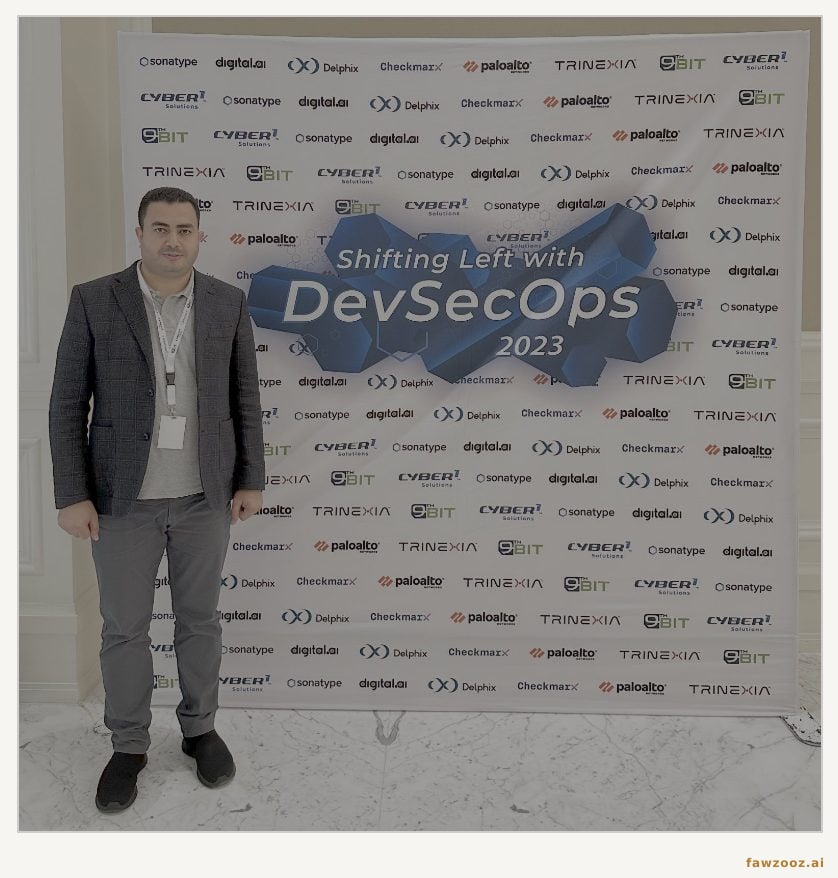
My career began with networks, infrastructure, and cybersecurity. Those fields remained central to my work, yet the rapid evolution of technology gradually opened an unexpected path. Artificial intelligence was no longer a distant concept confined to research laboratories; it had become part of everyday life, and it was changing the way people made decisions. That shift raised a new question: if technology can influence how people think, who will protect the human mind itself? The answer would guide the next stage of my career.
What began as a passion for securing digital systems evolved into a far broader mission; one that placed human judgement and cognitive security at the heart of technological progress. Every engineer faces moments when carefully designed plans fail to unfold as expected. I learned early that the instinctive response is not always the right one. Adding another layer or introducing another tool may offer temporary relief, but it can also create new complications. With every challenge I faced, one idea became clearer: simplicity is not a compromise, it is strength. Whenever a system failed to meet expectations, my first step was rarely to make it more complex. Instead, I returned to its foundations, examined the structure, questioned every assumption, and removed anything that added confusion without adding value.
This way of thinking became part of my engineering philosophy. Reliable systems were those built with clarity. Strong security came from understanding every layer rather than hiding behind unnecessary complexity. The fewer the moving parts, the easier it became to maintain control. That disciplined approach also shaped how I responded when circumstances did not go to plan. Rather than dwelling on setbacks, I focused on rebuilding with greater confidence. Every obstacle became an invitation to improve the design until I could fully understand and rely on it. The philosophy that emerged from those experiences would influence every stage of my career. I have continued to believe that the strongest solutions are rarely the most complicated.
2.3The Courage to Evolve
As my career advanced, the scale of my responsibilities grew with it. Leading technology initiatives while serving as Chief AI Officer (CAIO) and Chief Information Security Officer (CISO) demanded constant attention. At the same time, I was helping to guide complex business expansions in Europe and Egypt, where every decision carried strategic weight. The workload was considerable, yet what sustained me was never on a computer screen or inside a server room; I found it at home. My daughter, in particular, became a powerful reminder that the systems we design today will shape the world her generation will one day inherit. My work was no longer driven by technical ambition alone; it was guided by the responsibility of helping to create a future in which technology can be trusted.
Around the same period, another shift was on the horizon. The cybersecurity landscape was changing rapidly. Traditional approaches focused on protecting digital infrastructure, but artificial intelligence introduced a different reality, and intelligent systems began to influence how people searched for information. I realised that protecting technology alone would no longer be enough. That encouraged me to explore a new field where governance, ethics, and human judgement carry equal weight alongside technical security. The real turning point was joining the Post Graduate Program in Artificial Intelligence for Leaders at The University of Texas at Austin. It was not a purely technical programme; it rearranged the questions in my mind: how is artificial intelligence governed? Who carries responsibility for its decisions? Where does efficiency end and human impact begin? I came away convinced that my role was no longer only to build intelligent systems, but to help set the framework that makes them worthy of trust. That change in perspective became one of the most important periods of growth in my career, and laid the foundation for what was to come. In time, I became a recognised voice in human-centric AI governance and cognitive security, and a new chapter of professional impact had begun.
2.4Ideas in Motion
One project in particular confirmed that I was moving in the right direction. The successful deployment of ISD’s Secure Access Service
Edge (SASE) framework, followed by its integration into the backbone of RAMsys Connect, proved what considered engineering can achieve. Security became part of the environment itself, protecting operations without interrupting the people who depend on them every day. Watching the framework work exactly as intended brought a deep sense of satisfaction. Moments like these reinforced my conviction that the greatest impact is reflected in everything that keeps working because the right foundations were built from the start.
Years of research gradually converged on a single purpose. Pursuing a doctorate in human-centric AI governance and cognitive security was never about adding another academic credential; it became an opportunity to explore a question that had shaped my career for years: as artificial intelligence continues to evolve, how can innovation remain rooted in human values? Finding that answer required me to connect disciplines that had traditionally stood apart. Engineering, cybersecurity, governance, ethics, and artificial intelligence all had to come together within a single framework that recognises technology as a tool designed to serve people.
Then came the day that marked the completion of that chapter. In May 2026 my doctorate was conferred by Dunster Business School — a recognition of a body of work that connected the realities of enterprise cybersecurity with a future shaped by human-centric artificial intelligence. The moment itself passed quietly, but the purpose behind those years of effort would continue long after it. One opportunity stood above the rest: the development and deployment of the RAMsys Connect architecture became a moment that brought years of careful planning together. It was an ambitious project that linked operations across Egypt and Dubai through a unified Secure Access Service Edge (SASE) framework, creating an environment in which security and connectivity work as one integrated system.
2.5What Truly Matters
Successive years in technology changed far more than my technical expertise. They reshaped how I see my role as an engineer. As artificial intelligence advanced, my perspective began to widen. Technology was no longer working only behind computer screens and inside data centres; it was becoming part of everyday human experience. That encouraged me to think beyond protecting machines; my focus shifted towards protecting the people who relied on intelligent systems, ensuring that technology supports human judgement rather than quietly influencing it.
Technical expertise remained essential, yet I came to understand that leadership requires a wider perspective. Developing emotional intelligence helped me see that every technology decision ultimately affects people. At the same time, writing and publishing gave me a platform to contribute to broader conversations about artificial intelligence and cognitive security. The contrast between the engineer I was almost two decades ago and the leader I am today is striking. Early in my career, solving problems often meant relying on increasingly complex technology. Today, I believe the best solutions are the ones that feel almost effortless to the people who use them.
If this chapter has a single conclusion, it is that the path was not a series of separate leaps but one continuous line: the training room taught me how to simplify, the operations rooms taught me how decisions are made under pressure, infrastructure and cybersecurity taught me that trust is built in the details no one sees, and artificial intelligence arrived to ask the hardest question: who protects the human being? Every stage was preparing me — without my knowing it — for the one that followed.
Above all, my deepest gratitude remains with Allah. Every achievement, at its heart, is a blessing made possible through faith. That gratitude remains the foundation from which I approach both life and work. And the story is still unfolding; the next chapter explores how that vision moved beyond personal achievement to influence institutions and leave a meaningful mark on the world around me.
Tip: use ← → to move between sections.